Confused by washed, natural or honey on your coffee bag? The short answer on coffee processing methods washed natural honey: they differ in how much fruit stays on the seed while drying, from clean to fruity. Here is how to read them.
Processing is one stage in the wider story of ethical coffee sourcing, which follows coffee from farm to cup.
| Item | Value |
|---|---|
| Washed process: soak in fermentation tanks | 24-72 hours |
| Natural process: whole-cherry drying time | 3-6 weeks |
| Target moisture of dried green coffee | 10-12% |
| Upper moisture limit for green coffee | 12.5% |
The figures come from Coffee Hero’s processing guide and Farmer to Farmer’s coffee processes post. They are typical ranges that vary by farm and climate and can change, so check the source before you rely on them.
What coffee processing does to the cherry
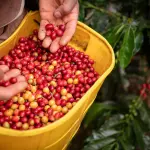
Coffee starts as a fruit, and the bean is really the seed inside a cherry-like fruit that grows on the coffee plant, as Coffee Hero explains. After harvest, the fruit layers must be removed and the seed dried before it can be milled and roasted.
Equator Coffees treats processing as the half of the origin story that happens after harvest, and it says different techniques have a profound impact on taste. Its guide focuses on three of the most common methods: washed, natural and honey.
A cherry has several layers around the seed, as Achilles Coffee Roasters describes them:
- Skin (exocarp): the outer layer that protects the fruit.
- Pulp: the fruit beneath the skin.
- Mucilage: a sticky layer rich in sugars, pectins and water.
- Parchment (endocarp): a papery protective layer that surrounds the seed.
The major methods differ primarily in when these layers come off. Washed removes most of them early, natural removes them all after drying, and honey sits between the two.
Whatever the method, the seed must be dried carefully. The Specialty Coffee Association figure cited by Farmer to Farmer is 10-12% moisture, never more than 12.5%, because poorly dried coffee risks instability, molds and mycotoxins.
Washed process: fruit removed before drying
In the washed (or wet) method, the skin of the cherry is removed and the seeds are soaked in water for hours or days, which loosens most of the fruit, according to Equator Coffees. The coffee is then dried, the parchment removed and the green coffee prepared for export.
Soak times vary by mill. Coffee Hero gives 24-72 hours in fermentation tanks, while Zest Specialty Coffee Roasters gives typically 48 to 72 hours.
In the cup, Equator says washed coffee tends to be clean and crisp, with flavors of citrus and red fruits. It also calls washed the most common processing method in specialty coffee, and describes it as water-intensive compared with natural processing.
Treat that as a tendency, not a promise. Achilles Coffee Roasters cautions that a washed coffee is not automatically clean, acidic or superior.
Natural process: the whole cherry dried
The natural (or dry) method is the oldest and most traditional way to process coffee. The cherry is simply dried whole, like a raisin, as Equator Coffees puts it.
It needs little to no water, so it is commonly practiced in arid climates such as Yemen and the Harrar growing region in Ethiopia. Coffee Hero says the cherries are spread on raised beds and turned regularly, and that drying takes 3-6 weeks depending on climate.
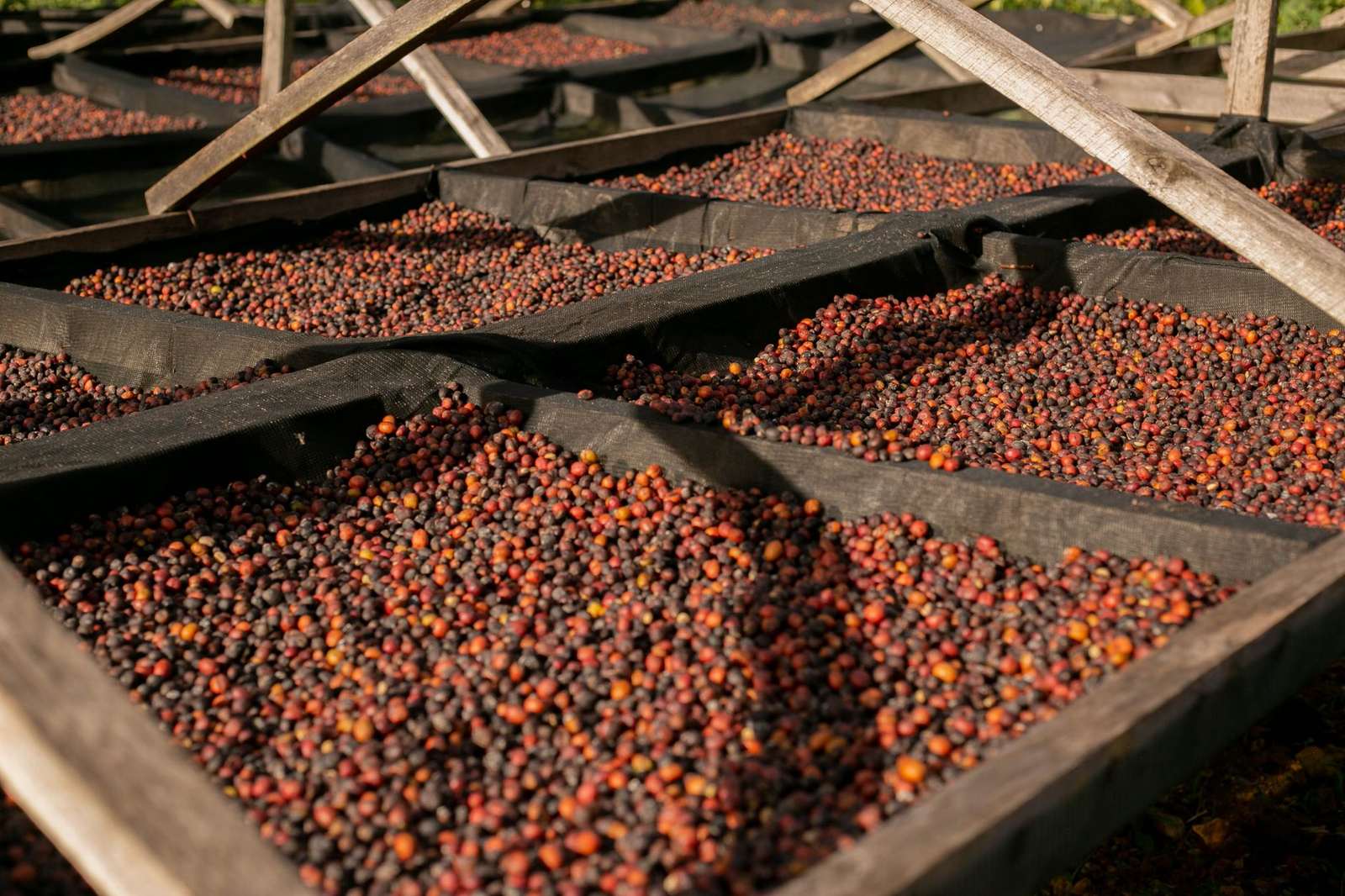
Equator says naturals tend to be smooth with intense wine- or berry-like fruit flavors. Even so, Achilles Coffee Roasters notes that two natural coffees may differ dramatically in cherry ripeness and drying speed, so the label alone will not tell you how a given lot tastes.
Honey process: the middle path
There is no actual honey in honey-processed coffee. The name comes from the sticky, honey-like look of the beans as they dry, according to Equator Coffees.
The skin is removed as in the washed method, but some of the fruit is left to stick to the seed during drying. Coffee Hero sorts honey lots by how much mucilage stays on:
- Yellow honey: most mucilage removed, dried quickly.
- Red honey: more mucilage retained, dried more slowly.
- Black honey: maximum mucilage retained, dried very slowly.
Equator adds that honey flavors can lean toward a washed or a natural coffee, depending partly on how much fruit is left on the bean. Because the coating is sticky, Zest Specialty Coffee Roasters says the seeds need turning every 1-2 hours during drying.
Names also shift by country. Farmer to Farmer notes that Brazil has pulp-natural, which is basically the honey process with some differences in terminology or execution.
Why do producers choose one method over another?
Zest Specialty Coffee Roasters says methods vary around the world, largely dictated by the resources available. Its example is Ethiopia, where access to clean water can be both challenging and expensive, so many farmers opt for the natural process.
Cost and market demand also matter. Because processing facilities are expensive, farmers often collaborate with or sell their cherries to cooperatives, and coffee cooperatives how they work explains how that shared-mill model operates.
Reading processing labels without over-trusting them
Labels describe broad systems rather than exact recipes. Achilles Coffee Roasters calls them useful starting points rather than complete sensory predictions, and notes that two coffees labeled washed may differ in fermentation time, water use and drying.
There is also no single definitive rulebook. As of an April 2026 post from Farmer to Farmer, the Specialty Coffee Association’s green coffee processing standard was still in development, though some countries regulate which process can be labeled on exports.
Specialty coffee roasters typically print the processing method on the bag, and what is specialty coffee covers the wider category. Coffee Hero lists the terms to look for:
- Washed: “washed”, “fully washed” or “wet process”.
- Natural: “natural” or “dry process”.
- Honey: “honey”, “pulped natural”, or colors such as “yellow honey” or “black honey”.
If the method is not listed, it is worth asking your roaster. Keep in mind that the label describes handling after harvest only, so questions about pricing or farm conditions need separate information from the roaster or importer.
Frequently asked questions
Does honey processed coffee contain honey?
Show answer
No. Only the look is honey-like: some sticky fruit stays on the seed as it dries, which Equator Coffees gives as the origin of the name.
Which processing method is the most common?
Show answer
Equator Coffees describes washed as the most common method in specialty coffee. Natural is described there as the oldest and most traditional.
Is natural coffee always fruity?
Show answer
Not always. Natural coffees tend toward intense berry- or wine-like flavors, but Achilles Coffee Roasters says a natural is not inevitably fruity or fermented.
Is washed coffee better than natural or honey?
Show answer
No method is better in every case. Achilles Coffee Roasters says a washed coffee is not automatically clean, acidic or superior, so the result depends on how well each step is carried out.