Wondering how your cup travels from a hillside farm to a café counter? Here is the coffee supply chain explained in one line: farms grow and process it, traders ship it green, roasters transform it, and retailers serve it.
This guide sits within the wider topic of ethical coffee sourcing, which looks at how coffee is bought, traced and paid for.
| Item | Value |
|---|---|
| Cups of coffee poured worldwide | More than 2 billion per day |
| Latin America’s share of world production (including the Caribbean) | Approximately 60% |
| Highest per capita consumption (Finland) | 12 kg per person annually |
| International Coffee Organization established | 1963 |
| ICO membership as of 7 November 2022 | 49 Members (75 countries) |
These figures come from a Maersk logistics article published in October 2025 and the International Coffee Organization’s about page. Figures can change, so check the source before you rely on them.
The main stages at a glance
Coffee passes through many hands before it reaches you, and each handover is a point where quality, price and information can change. The logistics chain described in a Maersk article runs through these stages:
- Harvest of the coffee cherries on the farm.
- Washing, drying and preparation for export at a processing station.
- Storage and consolidation at a cooperative, warehouse or consolidation centre.
- Sorting, bagging and loading into containers.
- Ocean shipping and port and customs clearance.
- Roasting near the destination market.
- Distribution to supermarkets, specialty shops and cafés.
The sections below follow that order and then look at who earns what along the way.
Harvest and processing at the farm
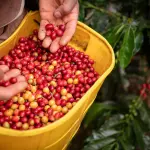
The chain starts at the farm, where cherries are handpicked or mechanically harvested. For producing countries, especially in Latin America, Africa and Asia, Maersk describes coffee as more than a beverage: it is a source of income.
Geography matters here. The same Maersk article, citing Statista, says Latin America, including the Caribbean, accounts for approximately 60% of the world’s coffee production.
Once collected, beans must reach a processing station quickly to be washed, dried and prepared for export. Maersk calls this first-mile transport, by truck, small carrier or even boat in remote areas, crucial for avoiding delays and quality loss.
From cooperative to container ship
After processing, beans move to cooperatives, warehouses or consolidation centres. There they are sorted, packed into bags and loaded into containers designed to protect them from moisture and pests.
Per the same article, this stage is what lets smallholder farmers scale up their shipments and reach global buyers.
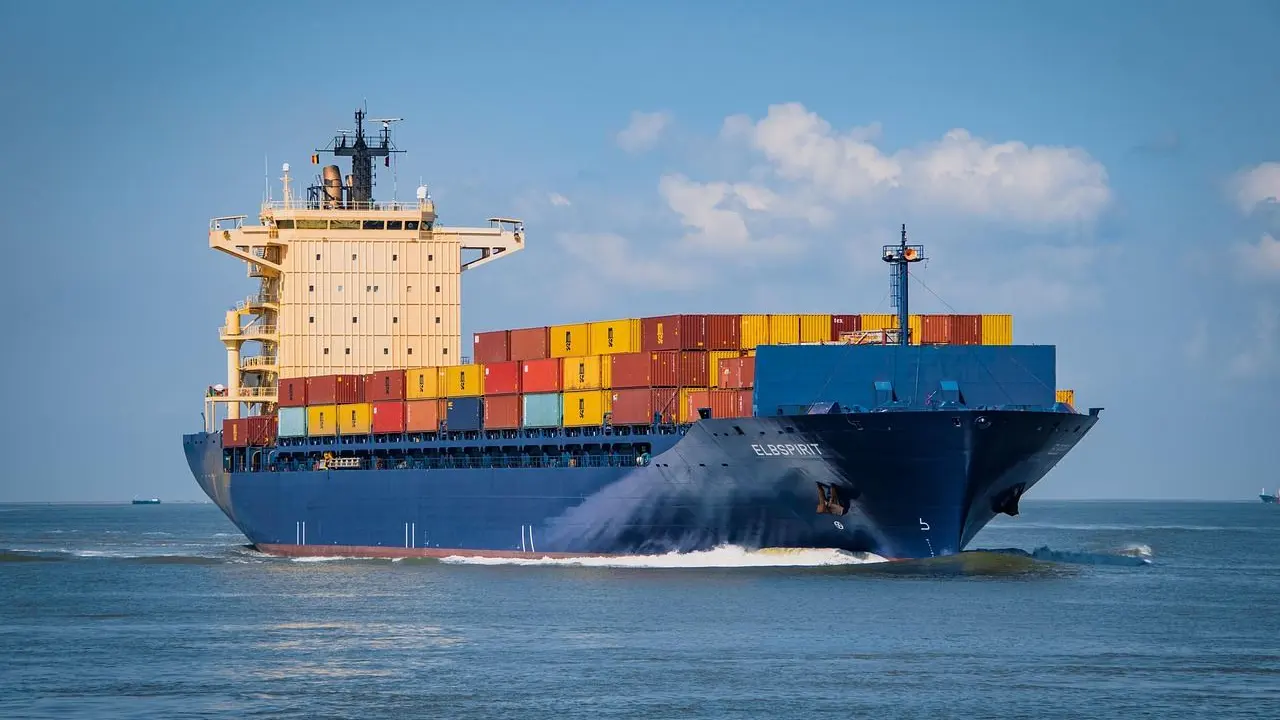
Most coffee is shipped as green beans in containers from Latin American ports such as Santos in Brazil or Buenaventura in Colombia. Ventilated or temperature-controlled containers are used on long voyages to preserve aroma and prevent spoilage.
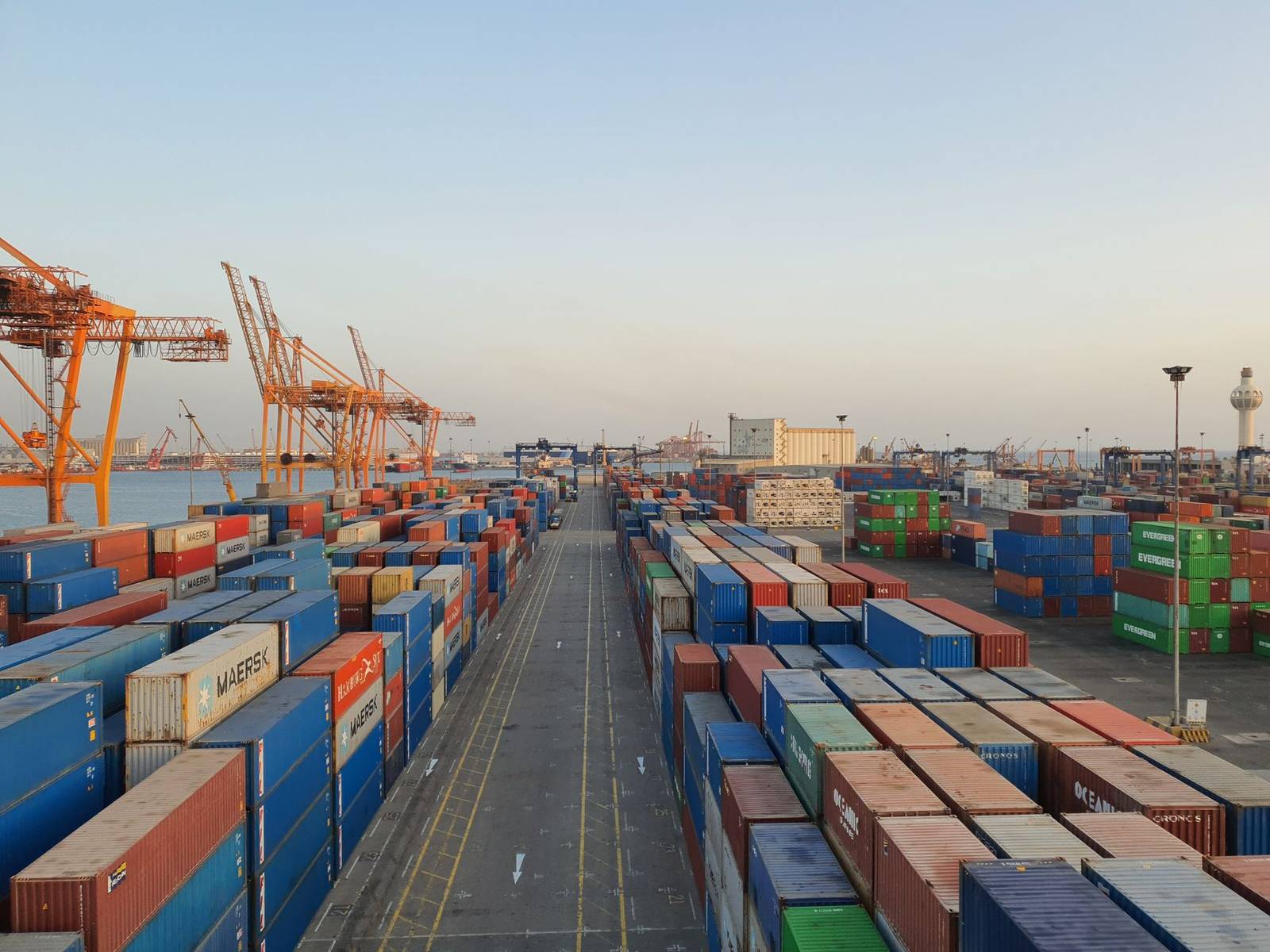
Ports at both ends are critical nodes. Digital customs clearance and visibility tools let exporters, importers and roasters track shipments in real time, so beans do not sit idle on docks.
Roasting, distribution and the final cup
When green coffee arrives at its destination, it goes to roasters, who transform raw beans into the aromatic blends consumers love. Trucking and rail move the beans from ports to roasting facilities, and delays can disrupt production schedules.
Roasted coffee must then reach supermarkets, specialty shops and cafés while still fresh. Distribution centres and demand forecasting help line supply up with consumer habits.
Consumption is far from the farms. The Maersk article, citing World Population Review, reports that Finland has the highest per capita consumption at 12 kg per person annually, so logistics bridges a large gap between where coffee grows and where it is drunk.
Who captures the value in the coffee supply chain?
The International Coffee Organization (ICO) was established in 1963 under the aegis of the United Nations. According to its about page, it collects official statistics on coffee production, trade and consumption, and lists 49 Members covering 75 countries as of 7 November 2022.
LSE Research Online lists the report under the authors Saenger and Arslan, published by the ICO.
Daily Coffee News, reporting in January 2021, says the 108-page report shows that despite the growth of the coffee trade over the past 30 years, a much higher share of the resulting market value has been captured by actors in traditional consuming countries, such as roasters and traders. It adds that smallholder farmers and farmworkers remain the most vulnerable within the chain.
The ICO’s executive director wrote in the report’s introduction that the coffee price crisis and the COVID-19 pandemic posed a major hazard for millions of farmers who already struggle to cover their operating costs, as quoted by the same outlet. Read these as findings from that report and date of publication, not as a verdict on any single company.
How traceability and sourcing choices fit in
Every handover in the chain is a place where information can be lost. Maersk notes that end-to-end logistics plays a role in supporting traceability and maintaining quality standards throughout the supply chain.
Different buying models shorten or reorganise the chain. If you want to see how one model works, read about what is direct trade coffee.
What ends up in the bag also shapes how traceable it is. A comparison of single origin vs blend coffee explains why a blend can be harder to trace than coffee from one place.
Frequently asked questions
What are the main steps in the coffee supply chain?
Show answer
Coffee is harvested, processed at a station, stored at a cooperative or warehouse, containerised, shipped, cleared through customs, roasted, and distributed to shops and cafés. The stages are listed in order near the top of this guide.
Is coffee shipped roasted or green?
Show answer
According to Maersk, most coffee is shipped as green beans in containers. Roasters at the destination then transform the raw beans.
Who earns the most from coffee?
Show answer
Daily Coffee News, reporting on the ICO’s Coffee Development Report 2020 in January 2021, says a much higher share of market value has been captured in traditional consuming countries by actors such as roasters and traders. The same report describes smallholder farmers as the most vulnerable in the chain.
Where is most coffee grown?
Show answer
Maersk, citing Statista, says Latin America including the Caribbean accounts for approximately 60% of world coffee production. Check the source for the latest figures.