Wondering whether a QR code on a coffee bag really tells you where the beans came from? A QR code traceability coffee system only works when the code links to verified origin data; the scan itself proves nothing.
This page sits within the wider topic of coffee traceability.
| Item | Value |
|---|---|
| Coffee’s status under the EU deforestation rules (EUDR) | One of 7 listed commodities |
| EUDR application date described by GS1 in Europe | December 2026 |
| Operator deadline listed in a September 2024 webinar | 30 December 2024 |
| Adaptation period for micro and small enterprises | 24 months (until 30 June 2025) |
| Barcodes scanned daily, per GS1 in Europe | More than 10 billion |
| GS1 Sweden coffee traceability pilot | Runs until early 2025 |
The figures come from GS1 in Europe’s page on the December 2026 deadline and its September 2024 webinar slides, plus the GS1 Sweden pilot announcement cited below. Rules and dates can change, so check the source before you rely on them.
What a QR code on a coffee bag actually does
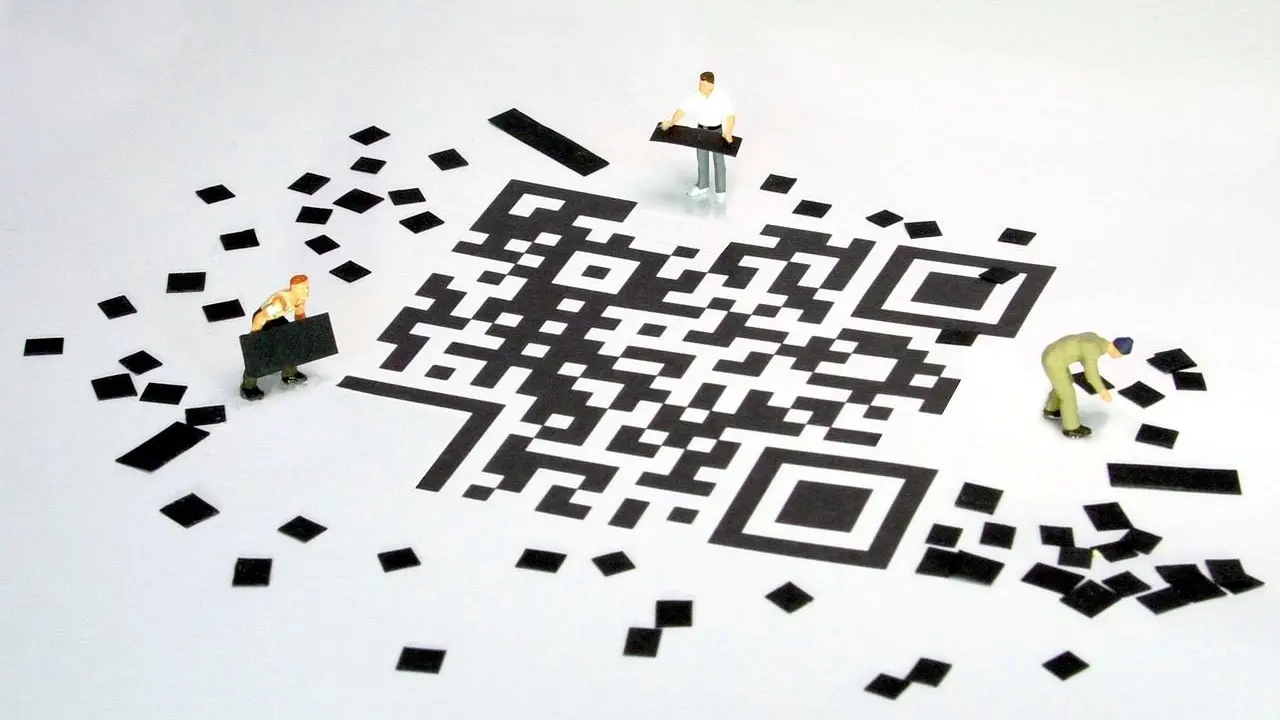
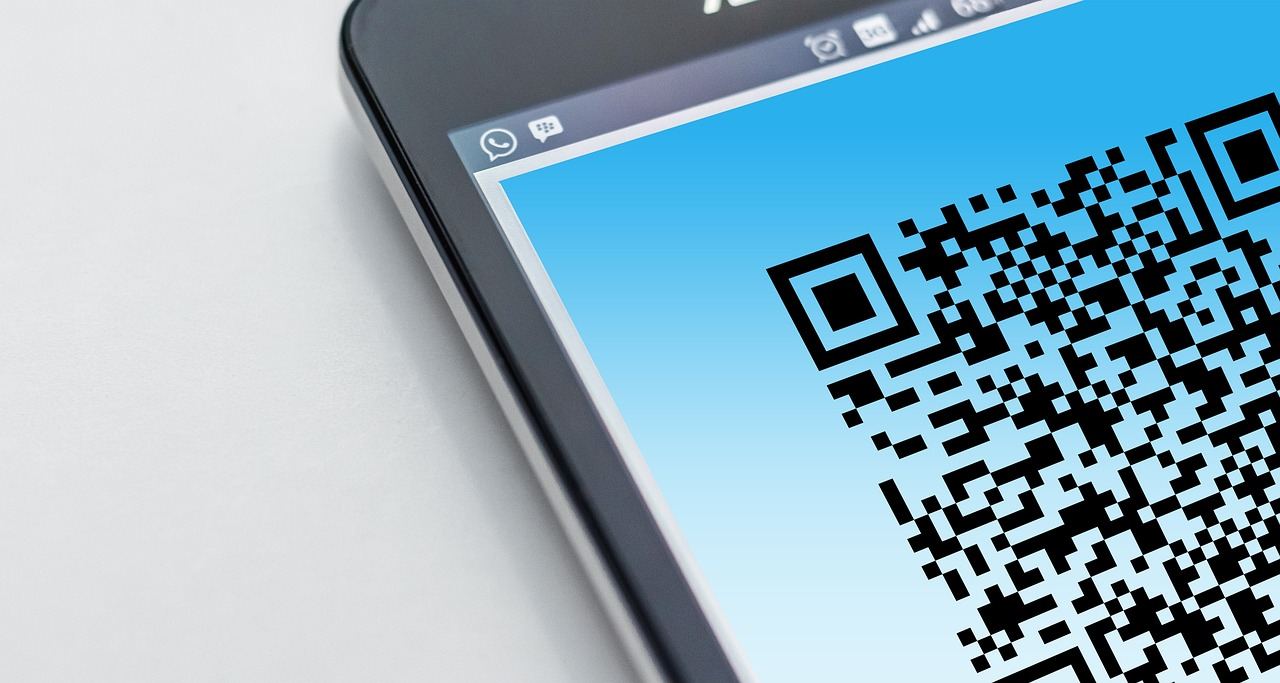
A QR code on a coffee bag is only a pointer: scanning it opens a web address. Whatever that page shows depends on the data behind it, not on the code.
The useful question is what the link connects to. A well-built link could lead to:
- A batch or lot record for the bag in your hand
- The farm, cooperative or region the beans came from
- Certificates or due diligence documents
- Recall or quality information
GS1 in Europe describes GS1 Digital Link and QR codes as a way to connect physical products to digital due-diligence information, as set out on its EUDR deadline page. The barcode infrastructure underneath is already widespread: the webinar slides say more than 10 billion barcodes are scanned daily.
How GS1 Digital Link ties a bag to origin data
A QR code is the visible end of a longer chain of identifiers. A blog post dated 26 June 2026 lists the GS1 building blocks that structure this data:
- GTIN (Global Trade Item Number) uniquely identifies products.
- GLN (Global Location Number) uniquely identifies factories, farms, mills and facilities.
- EPCIS is the event-based standard that records what happened, where, when and why.
- GS1 Digital Link is the web-native standard that connects product identities and traceability data.
In plain terms, the GTIN says what the product is, the GLN says where it was handled, and EPCIS records the events in between. The QR code is the doorway that lets a buyer or inspector reach that record.
Why the EU deforestation rules raise the stakes
The EUDR covers seven commodities: timber, palm oil, soy, rubber, cattle, coffee and cocoa. According to the September 2024 webinar slides, any operator or trader placing them on the EU market, or exporting from it, must be able to prove the products do not originate from deforested land.
Before products are placed on the market they must meet three conditions:
- Be deforestation-free
- Be produced in accordance with local rules
- Be covered by a due diligence statement
The slides also state that the regulation applies only to products listed in Annex I. The guide to eudr coffee compliance covers the obligations in more depth.
What a scan can and cannot prove
A QR code cannot verify its own contents. If the underlying record is incomplete or entered carelessly, the scan simply delivers that weakness faster.
The June 2026 blog post makes a related point: farmers record data differently than transport providers, so supply chains often speak different data languages. Shared identifiers are meant to bridge that gap, but they do not check whether a plot’s boundaries or a lot’s weight are correct.
Cost is another concern. In the 2024 webinar slides, the Southern Agricultural Council’s agriculture ministers argued that the complexity and costs of the EUDR mechanisms could exclude small producers from value chains. Any QR-based system sits inside that debate.
Some systems keep records on a shared ledger rather than a single company database. The blockchain coffee supply chain guide looks at that approach as one way to store the data a QR code points to.
A Swedish pilot linking GS1 standards and coffee
On October 10, 2024, GS1 Sweden announced a pilot to increase traceability in the coffee supply chain, together with Arvid Nordquist and ICA Sweden. It followed a prestudy started in the spring of 2024.
The project aims to build a framework showing how GS1 standards support traceability processes, validated against the EUDR. It uses the recall process to test traceability, and the announcement said it would run until early 2025.
The announcement describes a data framework, not a consumer-facing QR code on shelf. It is a neutral example of how identifiers, locations and events are being mapped before any code is printed.
How to judge a coffee QR code yourself
You do not need technical skills to test whether a code adds anything beyond marketing. Work through these checks:
- Scan the code and see whether the page is specific to your bag’s lot or just a generic brand page.
- Look for a lot or batch identifier that matches the one printed on the packaging.
- Check whether origin goes beyond a country, naming a farm, cooperative or region.
- See whether claims point to a named document, certificate or verifier rather than a bare statement.
- Note whether the page still loads and stays consistent when you scan a second bag from another lot.
A code that passes these checks is more likely to rest on real records. One that fails them may still be fine for storytelling, but it is not evidence of traceability.
Frequently asked questions
Does a QR code on coffee prove it is traceable?
Show answer
No. The code only opens a link. Traceability depends on whether the linked record is lot-specific, complete and checked by someone other than the seller.
What is GS1 Digital Link?
Show answer
A June 2026 blog post describes it as the web-native standard that connects product identities and traceability data. It lets one web-style link carry identifiers such as a product number.
Does the EUDR require a QR code on coffee bags?
Show answer
The sources used here do not state that. They say products must be covered by a due diligence statement, and that GS1 Digital Link and QR codes can connect products to due-diligence information. Check the regulation itself for the current text.
What did the GS1 Sweden coffee pilot test?
Show answer
As announced on October 10, 2024, it set out to map how GS1 standards support traceability, using the recall process to verify it, with partners Arvid Nordquist and ICA Sweden.