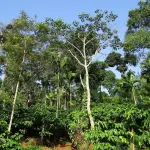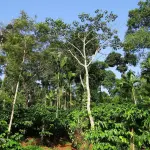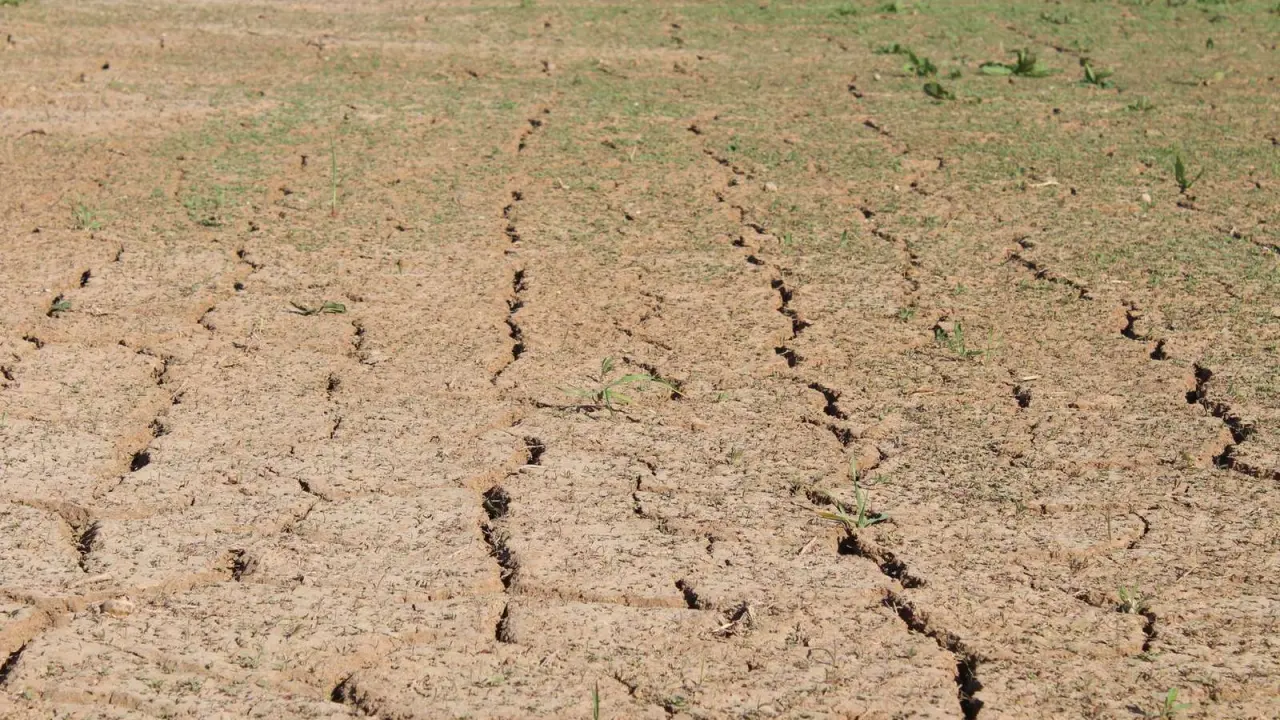
Wondering how climate change and coffee production are linked? Warming is shrinking the land where Arabica thrives: a 2015 study projects half of today’s suitable land will be unsuitable by 2050.
This guide is part of the wider topic of sustainable coffee, and it covers how a warming climate changes where coffee can grow.
| Item | Value |
|---|---|
| Currently suitable Arabica land projected to become unsuitable by 2050 | About half |
| Coffee area in hot, dry zones projected to become unsuitable by 2050 | Almost 80% |
| Loss of suitability in cool, equatorial coffee areas by 2050 | About one-third |
| Rise in median elevation of suitable Arabica land by 2050 | More than 300 m |
| Central American coffee area losing land suitability by 2050 | Over half |
| Farmers producing coffee worldwide | An estimated 25 million |
These figures are modelled projections, and they can change as new research appears: check the World Coffee Research release and the 2021 Central America study before you rely on them.
How warming and shifting rain affect the coffee plant
Coffee is a perennial crop, so what a farmer plants today stays in the ground for decades. A researcher quoted in the World Coffee Research release notes that a plant set out now will still be in the ground in 2050 and will get the full impact of climate change.
A 2015 PLOS ONE study describes the main pressures: higher temperatures reduce growth, flowering and fruiting. Increases in temperature and changes in precipitation patterns are also expected to decrease yield, reduce quality and increase pest and disease pressure.
Rainfall timing matters as much as heat. Farmers in Nicaragua report that seasonal rainfall patterns have changed over the past 20 years, leading to erratic flowering, incomplete maturation and fruit drop, according to the same study.
The research discussed here focuses on Arabica. The PLOS ONE authors describe it as mostly grown in tropical highlands and used in gourmet coffees, while Robusta is grown at lower altitudes.
Which coffee zones face the biggest losses?
The World Coffee Research study reported in 2015 how each of five coffee climate zones responds by the middle of the century. The outcome depends heavily on the zone:
- Hot areas with long dry seasons, such as parts of Brazil, India and Central America, lose the most: almost 80% of current coffee areas become unsuitable (WCR).
- Cool but dry climates, such as western São Paulo state in Brazil, also see substantial losses (WCR).
- Cool equatorial areas with steady temperatures, including many parts of Colombia, Ethiopia, Kenya and Indonesia, are least affected, yet still face a one-third slump in suitability by 2050 (WCR).
The same release lists the highest losses in hot, dry regions such as northern Minas Gerais state in Brazil, parts of India and Nicaragua. It also points to significant losses for Brazil, the world’s largest coffee producer, as of that 2015 release.
A separate 2021 study in Regional Environmental Change looked only at Central America. It found that even under the less severe climate scenarios, over half of the current coffee area will see land suitability decline from excellent or good to moderate and marginal, and that this happens by 2050 rather than only by 2080. Under the scenario labelled RCP 8.5, most coffee areas become of marginal and moderate suitability.
Why coffee is moving uphill
Cooler air at altitude is the simplest escape from heat. By 2050, the median elevation of land suitable for Arabica is projected to be more than 300 m higher, according to the World Coffee Research release. In hot, wet zones such as Southern Mexico, coffee would need to migrate nearly 500 m higher.
Moving is not always simple. The Central America study cautions that shifting coffee to climatically more suitable areas may not be possible because of land-use conflicts, or may not be advisable because of unsuitable soil or landform conditions.
Winners, losers and the land-use trade-off
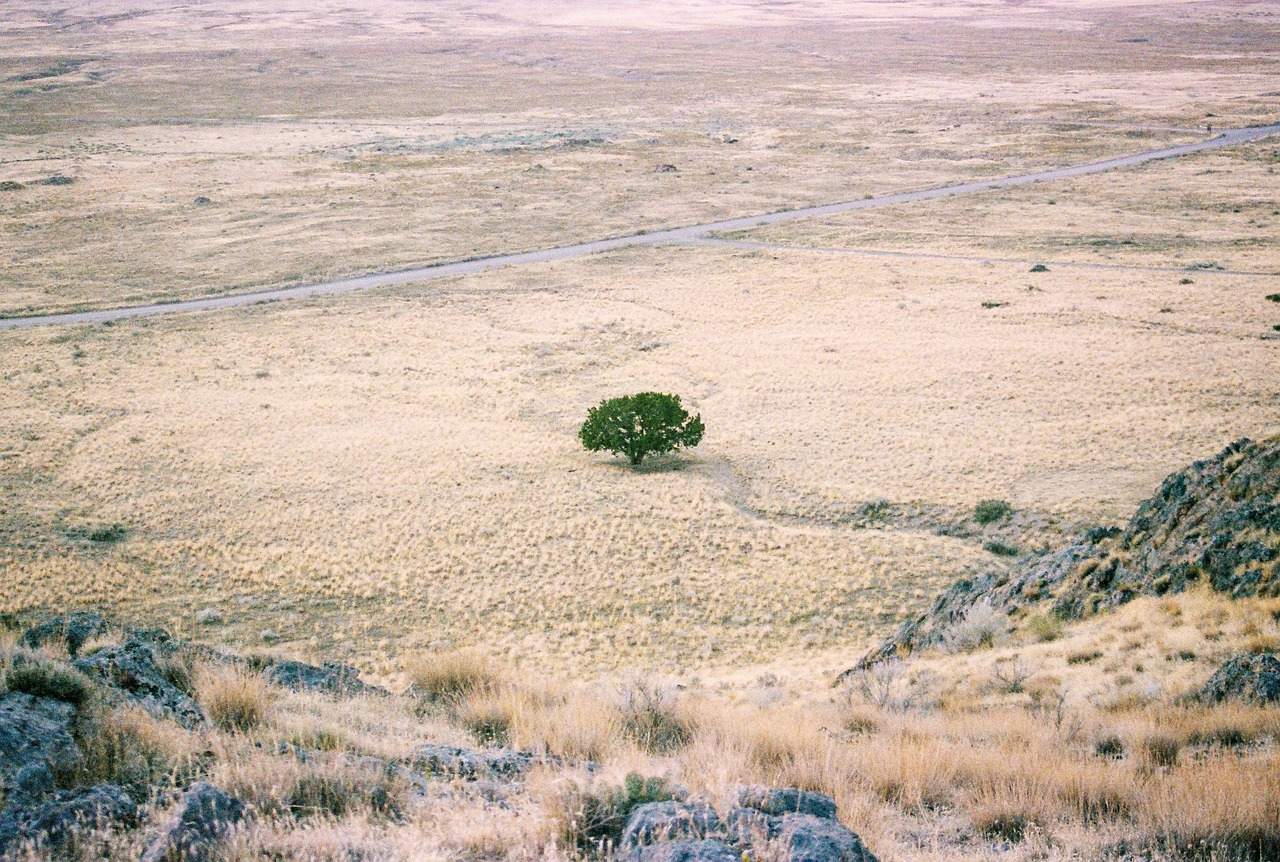
The PLOS ONE study modelled Arabica suitability for the 2050s using 21 global circulation models. Its results suggest losses at lower altitudes in Mesoamerica, while coffee regions in Ethiopia and Kenya are projected to become more suitable and those in India and Vietnam less suitable.
A 2014 modelling study of Indonesia projects a drastic reduction in climatically suitable coffee land across the country by 2050. Even so, more land with suitable climate and topography is projected to remain outside protected areas than is used for coffee now, although much of it is in different locations. The authors warn that this forced adaptation could become a major driver of deforestation in the highlands, a theme explored further in coffee deforestation.
Researchers do not all expect the same outcome everywhere. A researcher quoted in the World Coffee Research release believes high locations in East Africa, Colombia, Ecuador and possibly Indonesia might become more suitable. Results vary with the model and method used.
The stakes are wide. Brazil, Vietnam, Indonesia and Colombia together produce more than 65% of the global total, and coffee contributes 59% of Burundi’s export earnings and 17% of Nicaragua’s, the PLOS ONE paper reports.
What can farmers do about it?
An estimated 25 million farmers produce coffee, most of them smallholders who depend on it for their livelihoods, according to World Coffee Research. The same source says adaptation will be difficult for smallholders. Income shapes how much a household can invest in change, a topic covered in how much do coffee farmers earn.
The studies point to several adaptation routes:
- Match practices to the climate zone, because hot-dry climates need to adapt differently than hot-wet ones (WCR).
- Use breeding and testing: World Coffee Research is using its zone findings to place the International Multi-location Variety Trial, a comparative study of how 35 coffee varieties perform in different climate zones (WCR).
- Check soils, landforms and land use before moving upslope (Regional Environmental Change, 2021).
- Plan early: the Central America authors say farmers and policy-makers should develop adaptation portfolios for their farms and regions in a timely manner (Regional Environmental Change, 2021).
Frequently asked questions
Will climate change end coffee growing?
Show answer
The sources describe shifting and shrinking suitable land, not the end of coffee. The World Coffee Research release projects that half of today’s suitable Arabica land will be unsuitable by 2050, while cool equatorial areas are least affected, with a one-third slump.
Which coffee-growing places are expected to lose the most?
Show answer
Hot, dry regions lose the most, such as northern Minas Gerais state in Brazil, parts of India and Nicaragua, where almost 80% of the zone’s land becomes unsuitable by 2050, per World Coffee Research.
Can farmers simply move coffee uphill?
Show answer
Not always. Median suitable elevation is projected to rise by more than 300 m by 2050 (WCR), but land-use conflicts and unsuitable soils can block a move, and an Indonesian study warns that expansion could drive highland deforestation.
How certain are these projections?
Show answer
They are model-based and results differ by region and method. The PLOS ONE study projects Ethiopia and Kenya becoming more suitable, while the Indonesia study projects a drastic reduction in suitable land by 2050.