Shopping for sustainable coffee is confusing when every bag carries a different logo. Here is the short answer: no single label covers farmer pay, farming methods and habitat, so check what each one measures.
| Item | Value |
|---|---|
| Bird Friendly minimum shade cover after pruning | 40 percent |
| Bird Friendly minimum canopy height | 12 meters |
| Share of a producer’s beans that must meet Rainforest Alliance conditions for the seal on packaging (Fresh Cup, 2017) | 30 percent |
| Possible variation in coffee’s carbon emissions | Up to 77% |
| Share of the world’s coffee produced by smallholder farms | 60 percent |
| Retail price of a cup compared with what the farmer receives | About eight to 10 times |
These figures come from Fresh Cup’s guide to coffee certifications and Earth911’s overview of coffee choices. Standards and market data change, so check the source before you rely on them.
What sustainable coffee actually means
The phrase sustainably farmed has no legal definition, according to Consumer Reports’ August 2017 article on packaging claims. It sits alongside “shade grown” and “direct trade” as wording that lacks legal definition or industry standards.
That gap is why labels matter. A July 2026 Sustainable Food Business report says certifications on coffee bags measure vastly different outcomes, from farmer economics to chemical use to biodiversity. Consumers, it adds, often assume labels are interchangeable.
Honesty about limits helps too. Earth911’s March 2024 overview says finding a truly sustainable cuppa might be impossible, but coffee’s carbon emissions can vary by up to 77%. Its advice is that a little education about your choices makes it easier to shop your values.
The same overview points out that beans pass through many hands before reaching your kitchen, and that every step of production carries cost, environmental and ethical tradeoffs. Those handovers are why sourcing and tracing belong in the same conversation as labels.
The broader sourcing picture is covered in the guide to ethical coffee sourcing. How a bag can be followed back to its origin is explained in the guide to coffee traceability.
What the main coffee labels measure
Each major label was built to solve a different problem. A side-by-side view is available in the guide to coffee certifications compared, and the table below gives the short version.
| Label | Main focus | What it does not cover by itself |
|---|---|---|
| Fair Trade (several organizations) | Farmer pay, labor standards, community investment | Does not mandate shade canopy |
| Organic | Farming inputs and soil health | Does not inherently require shade cover or biodiversity criteria |
| Rainforest Alliance | Combined social and environmental framework | Does not measure specific outcomes such as biodiversity conservation or shade-grown practices |
| Bird Friendly | Shade and habitat for birds | Does not explicitly protect workers, according to Earth911 |
The table summarises findings from Sustainable Food Business and Earth911, so check those pages for any updates.
Fair Trade: price and community investment
Fair Trade certification focuses mainly on economic and social conditions. Yet “Fair Trade” is not one standard: Fairtrade International, Fair Trade USA and the Fair Trade Federation run distinct models with different requirements and verification.
The split between two of them dates to 2011, when Fair Trade USA broke away from Fairtrade International, according to Fresh Cup. The same article says that as of May 2022 the minimum price for Fair Trade USA and Fairtrade America was $1.40/lb, with a $0.20 premium and a $0.30 increase for organic coffee. Both programs default to the market price if it is higher than the minimum.
Consumer Reports’ 2017 explainer adds that Fairtrade’s premium must be invested in communities or businesses. It also notes that the Fair Trade Certified label does not indicate coffee bought directly from small-scale farmers. The origins of the movement, which began in 1988 in the Netherlands after the International Coffee Agreement was dismantled, are described by Wasserstrom’s March 2024 guide.
Earth911 cautions that a guaranteed minimum may not be sufficient to keep farmers afloat. The history and mechanics are unpacked in the explainer on fair trade coffee meaning.
Organic: what goes on the land
Under the USDA seal, synthetic fertilizers and synthetic pesticides are banned on coffee farms, according to Consumer Reports. Producers must also avoid prohibited substances on the land for at least three years, Fresh Cup reports.
The limits are worth knowing. Earth911 says USDA standards include manufacturing and supply chain controls but do not explicitly protect farmers or regulate farm and processor waste. And a full-sun monoculture can be both organic and Fair Trade while offering minimal habitat value.
The rules behind the seal are covered in the guide to organic coffee certification.
Rainforest Alliance: a combined framework
The Rainforest Alliance applies a combined social and environmental framework covering farm management, worker welfare and ecosystem protection. It is among the most widely recognized labels, but it does not measure outcomes such as biodiversity conservation.
Fresh Cup’s August 2017 guide reported that only 30 percent of a producer’s beans had to meet the conditions for the seal to appear on packaging, with annual audits by trained auditors. Rules have since been reworked, so treat that figure as dated. Earth911 says the group developed a new standard after merging with UTZ in 2018, replacing the pass/fail model, and that dilution with uncertified beans is allowed in some circumstances.
Sources date the UTZ merger differently: Kaldi’s certification guide says 2019. For a closer look at the seal, see the page on rainforest alliance certified coffee.
Bird Friendly: shade and habitat
The Smithsonian Migratory Bird Center developed Bird Friendly certification, which Sustainable Food Business calls the most rigorous shade and biodiversity standard available for coffee. Organic certification is a prerequisite, so every Bird Friendly farm is also organic.
According to Fresh Cup’s August 2017 guide, the criteria include:
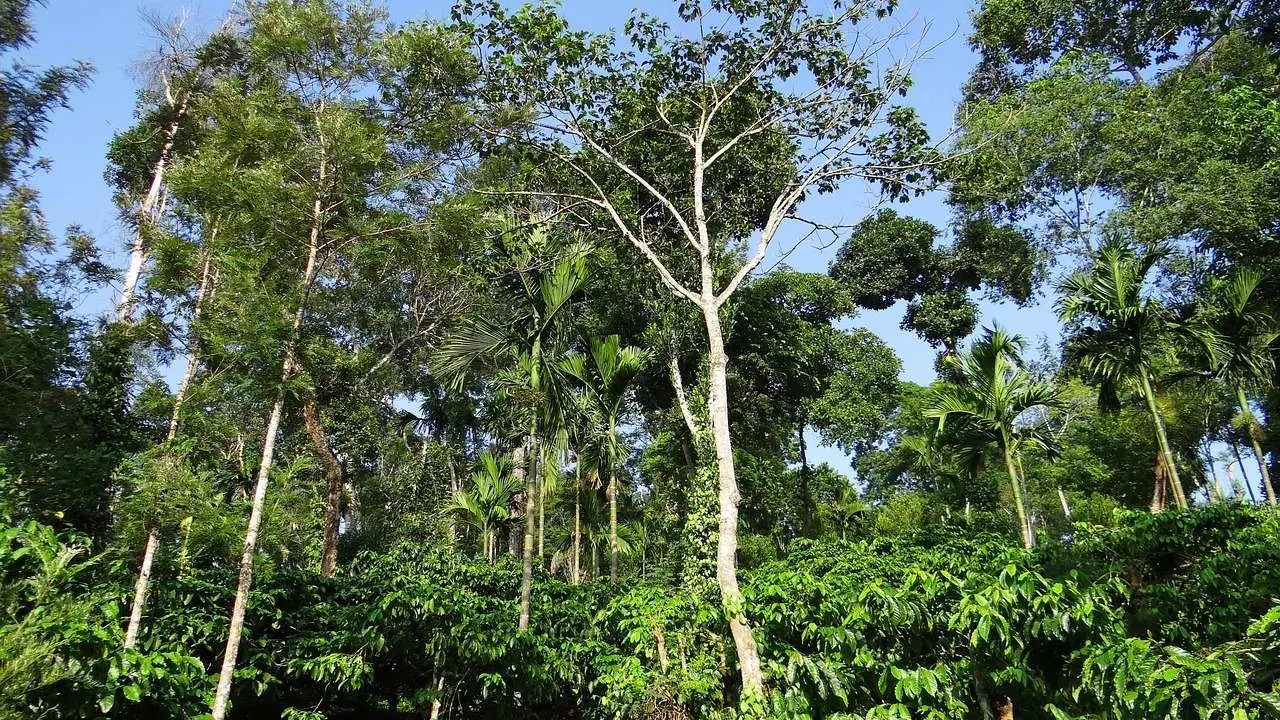
- A canopy at least 12 meters high where the dominant species is native.
- Ten woody species dispersed throughout the production area.
- A minimum of 40 percent shade cover after pruning.
- Inspections every three years, coordinated with organic inspection.
Earth911 adds that no uncertified coffee may be mixed in, though the label does not explicitly protect workers. The habitat case is explored in shade grown coffee benefits.
Coffee claims with no legal definition
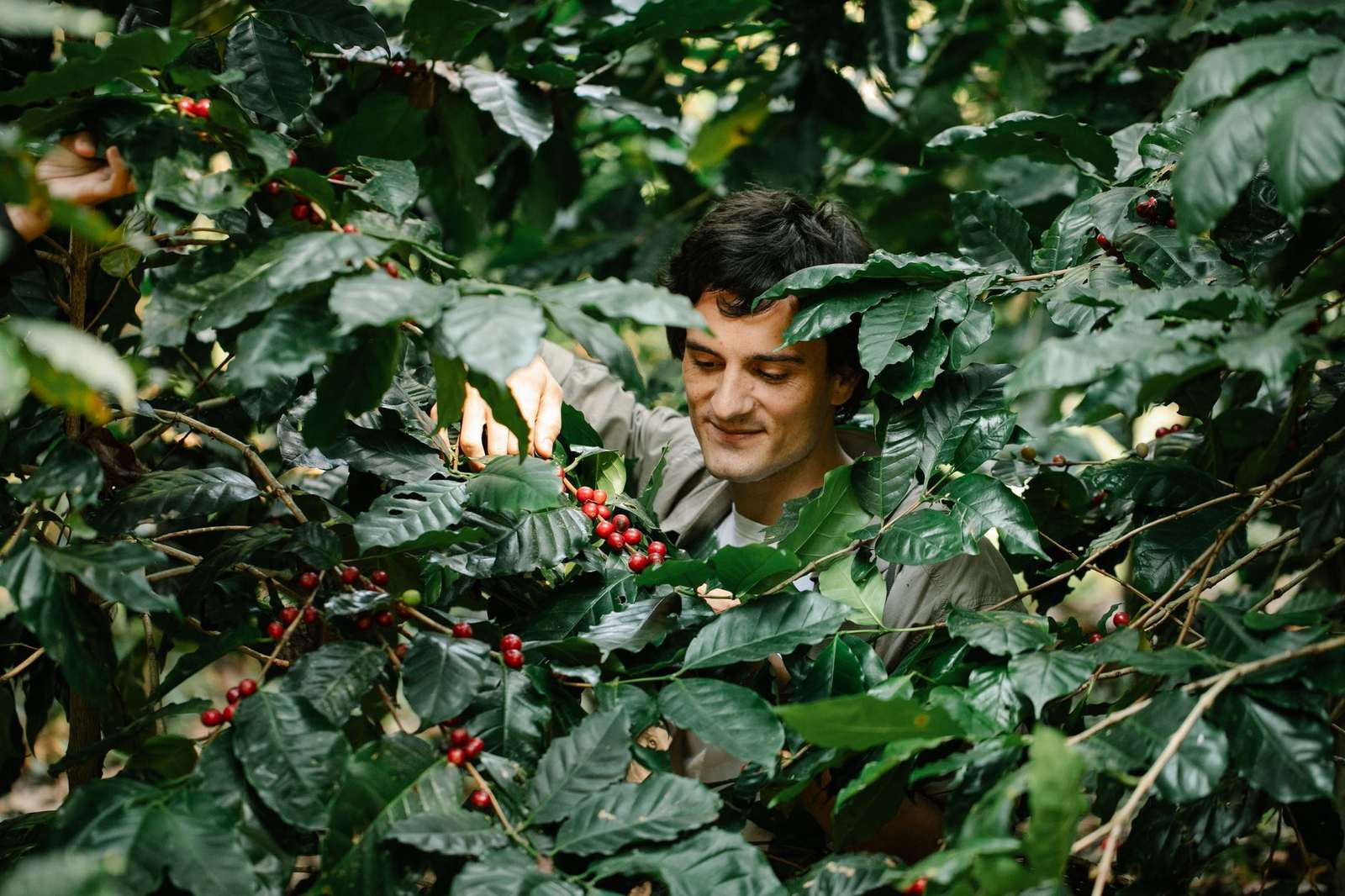
Not every phrase on a bag is a certification. Consumer Reports’ August 2017 article said “ethically/sustainably farmed,” “shade grown” and “direct trade” lacked any legal definition or industry standards. Sustainable Food Business, citing Reuters, says more than 400 eco-labels now circulate across consumer products.
Two of those phrases deserve a closer look:
- Shade grown: as of Wasserstrom’s March 2024 guide, it was not an official certification. It means producers provide shade to mimic natural forest ecosystems.
- Direct trade: Wasserstrom’s guide describes it as not an official certification, with organizations and roasters applying their own standards and verification methods.
Earth911 says there is no direct trade standard, and the value of the term is already being questioned. At its best, it lets you learn about the coffee from someone close to production.
Missing labels do not always mean poor practice. Fresh Cup notes that inspection and verification steps can be cost prohibitive, so many producers farm under these practices without extra labeling. Roasters who maintain relationships with producers can often say more about how a coffee was grown.
Where a cup’s environmental footprint sits
On the farm, coffee’s footprint is considerable. Earth911 says only five agricultural products contribute to deforestation more than coffee, and more than 2.5 million acres of forest in Central America alone have been cleared for it. Growing in full sun raises output but needs more chemical inputs and much more water, about 142 liters (34.8 gallons) per serving.
Shade changes that equation. Coffee naturally grows under taller trees, and Wasserstrom’s guide explains that sun-tolerant varieties and high-density farming arrived in the mid-1970s to raise yields. That shift led to deforestation and biodiversity decline in growing regions. More background is in the pages on coffee deforestation and climate change and coffee production.
Beyond the farm, processing and trade matter too. Earth911 says wet processing plants are a major source of river pollution, and many certification systems look only at farms. International transport, surprisingly, is a relatively minor part of coffee’s carbon impact, while a longer distribution chain drives down farmer prices and obscures standards.
What you control at home
Per Earth911’s summary of a life cycle analysis, how you brew can shift the footprint noticeably:
- Milk makes the latte the most carbon-intensive cup, while espresso has the lowest impact.
- Brewing a whole pot for a few cups, then leaving the warming plate on, is as wasteful as single-serve capsules.
- Ceramic mugs washed in a dishwasher outperform all single-use cups.
- Laminate bags and vacuum-sealed brick packs are not recyclable yet have the lowest packaging impact, while the recyclable steel can performed worst.
Grounds can be composted or reused, which cuts waste further.
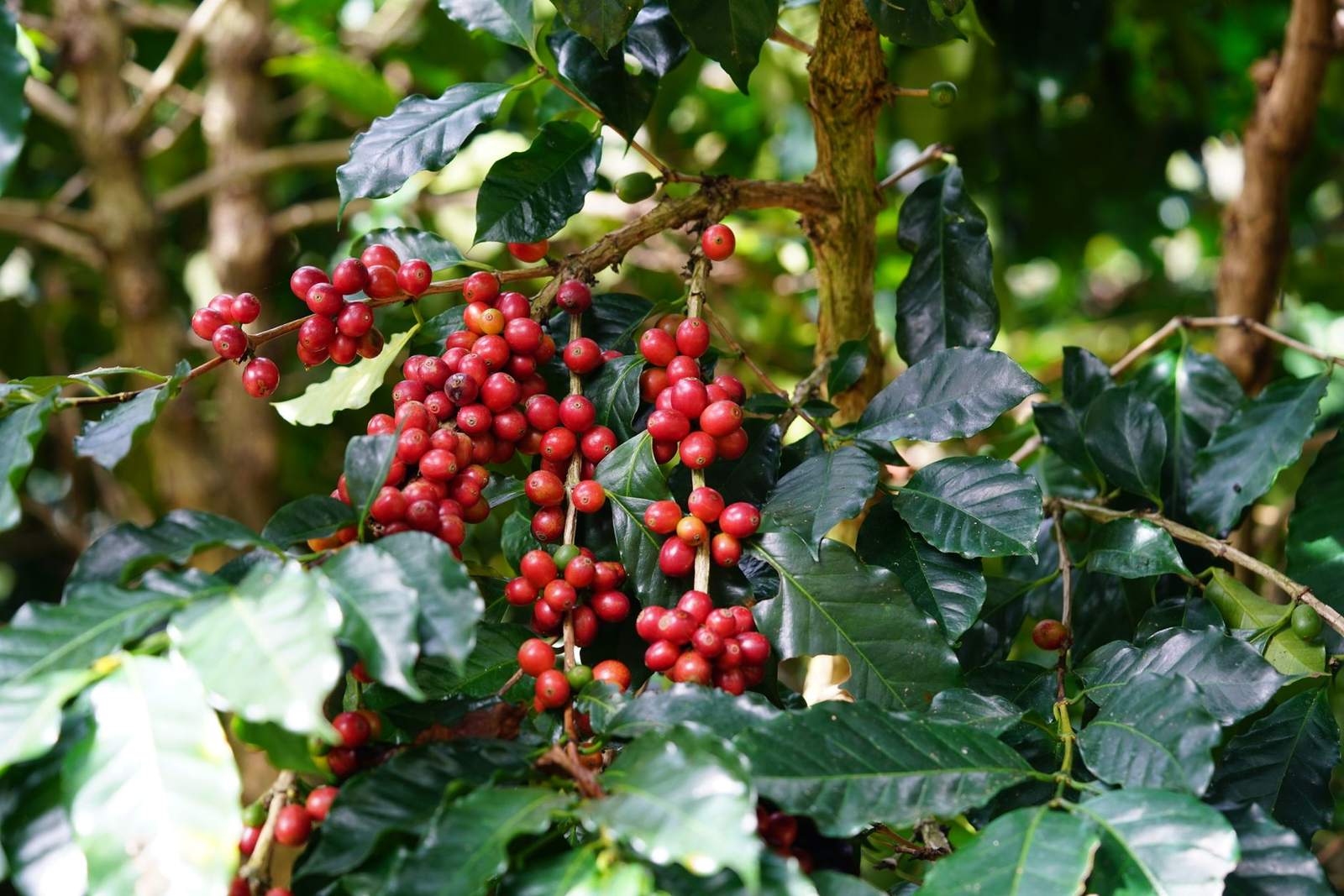
Why farmer income is part of the picture
Sustainability is also about the people growing the crop. Earth911 reports that 60 percent of the world’s coffee comes from 12.5 million smallholder farms. It argues that quitting coffee might be misguided, since coffee is one of the more sustainable crops for those households.
Prices are the pressure point. The same source says the retail price of a cup is about eight to 10 times what the farmer receives, and wholesale prices often fall below production cost. A closer look at the numbers is in the piece on how much do coffee farmers earn.
Labor risks are real but poorly measured. Earth911 says coffee from plantations in 17 countries may involve child or forced labor, yet there is little research to quantify the problem. Workers are often exposed to dangerous levels of agricultural chemicals.
Certification is one response, and it has a cost. Fresh Cup notes producers are incentivized to certify by the chance of higher per-pound prices, while Earth911 concludes that more sustainable options will always cost more.
How do you read a coffee bag?
A roaster quoted by Sustainable Food Business advises asking what a label measures, not just whether it is present. A simple routine follows from that:
- Decide which outcome matters most to you: farmer pay, chemical use, or habitat.
- Match that outcome to a label that was designed for it, using the table above.
- Treat unregulated phrases such as “shade grown” or “direct trade” as a prompt for questions.
- Ask the roaster where the coffee was grown and how the relationship works.
- Remember that labels can stack: some Fair Trade cooperatives also hold organic certification.
Perfection is not on offer. As Earth911 puts it, none of the certifications is perfect, but all of them are meaningful.
Frequently asked questions
Is “shade grown” the same as Bird Friendly?
Show answer
No. Bird Friendly is certified, requires organic status and, per Fresh Cup’s August 2017 guide, a minimum of 40 percent shade cover after pruning.
Does organic coffee mean it is shade grown?
Show answer
No. Sustainable Food Business says organic certification does not inherently require shade cover or biodiversity criteria.
Is direct trade a certification?
Show answer
Not an official one, according to Wasserstrom’s March 2024 guide. Earth911 adds that there is no direct trade standard.
What is the Fair Trade minimum price?
Show answer
As of May 2022, the minimum for Fair Trade USA and Fairtrade America was $1.40/lb, with a $0.20 premium, according to Fresh Cup. Both default to the market price if it is higher, so check the current figure with the certifier.
Is quitting coffee the most sustainable choice?
Show answer
Not necessarily. Earth911 says that idea might be misguided, because millions of smallholder farms depend on coffee for income.